Entry · Ref J5R4KCHE
When Is It Time for a Furnace Replacement? Key Warning Signs to Watch
- Posted
- 2026-11-20
- Last amended
- 2026-11-20
- Account
- @furnaceservice031
A furnace rarely quits at a convenient time. It usually starts with little annoyances that are easy to brush off. One room feels chilly. The heat runs longer than it used to. You hear a bang in the basement and tell yourself it is probably nothing. Then one cold morning the house will not warm up, the repair quote is bigger than expected, and suddenly you are deciding whether to keep patching an aging system or move ahead with a full furnace replacement.
That decision is not always obvious. I have seen furnaces limp along for years after people were told they were finished, and I have also seen homeowners sink money into repeated furnace repair calls when replacing the system would have been smarter, safer, and cheaper over the next few winters.
The trick is knowing which warning signs matter, which ones can be fixed, and when age, cost, performance, and safety all point in the same direction.
The age of the furnace matters more than most people think
Let’s start with the obvious one. Age is not everything, but it sets the stage for everything else.
A well-maintained gas furnace often lasts somewhere around 15 to 20 years. Some make it past that. Some do not. Maintenance habits, installation quality, runtime, filter changes, and even how tight or drafty the house is all affect lifespan. A furnace in a mild climate may age differently than one working through long, hard winters.
Once a unit gets into that upper age range, every repair deserves a closer look. Parts wear out. Efficiency drops. Heat exchangers can crack. Motors and control boards get harder to source. Even if the furnace still turns on, it may be running far below its original performance.
I have been in plenty of homes where the owners say, “It’s old, but it still works.” Sometimes that is true in the narrowest sense. The burners fire, the blower starts, the thermostat eventually reaches the set point. But if the system takes forever to heat the house, short cycles all night, and burns through gas to do a mediocre job, “still works” becomes a pretty generous description.
If your furnace is under 10 years old, repair is often the first path unless the damage is severe. If it is between 10 and 15 years old, the decision starts to depend on repair history and performance. Once it is pushing 15 to 20 years, replacement becomes a serious conversation, even if the unit has not fully failed yet.
Rising energy bills can be a quiet warning sign
One of the clearest signs that a furnace is on the decline is a heating bill that keeps creeping up without a good explanation. Rates can change, of course, and weather varies from year to year, so one expensive month does not prove much. But if your usage is staying about the same and the bills keep climbing, your furnace may be losing efficiency.
That drop in efficiency can happen for several reasons. Burners may not be operating as cleanly. The blower motor may be struggling. Internal components may be dirty or worn. Airflow issues can force the system to work longer. Older furnaces also simply cannot match the efficiency of modern equipment.
An aging 80 percent AFUE furnace, especially one performing below its original rating, is very different from a newer high-efficiency model. That does not automatically mean every older unit should be replaced. It does mean that operating cost belongs in the conversation. People often focus only on the price of furnace installation and overlook what they are paying month after month to keep an inefficient system running.
This is where good Heating Services can help. A proper evaluation can separate problems caused by duct leakage, thermostat issues, neglected maintenance, or insulation gaps from problems caused by the furnace itself. Sometimes the furnace is not the only culprit. Sometimes it is.
Frequent repairs are usually your biggest clue
One repair does not mean your furnace is done. Every machine needs service eventually. A failed igniter, worn capacitor, dirty flame sensor, or even a blower issue can often be repaired at a reasonable cost. That is normal furnace ownership.
The problem starts when service calls become a pattern.
If you needed one repair three years ago and another this winter, that is one thing. If you have had two or three furnace repair visits in the past year, or if you are replacing one major part after another, the furnace is telling you something. At that point, you are not really fixing a reliable system. You are trying to keep an aging system alive.
I usually tell homeowners to look beyond the latest invoice. Add up what you spent over the last couple of heating seasons. Then consider the risk of another breakdown in the middle of a cold snap. The money is one part of it. The stress is another.
A useful rule of thumb, not a perfect one but a practical one, is this: if a repair is expensive and your furnace is already older, replacement often makes more sense than throwing more money at it. A lot depends on the part that failed. Replacing a flame sensor is not the same as dealing with a bad heat exchanger, a failed inducer assembly, or a cracked burner compartment issue that points to broader wear.
Uneven heating often points to more than a comfort issue
People tend to tolerate uneven temperatures longer than they should. They close the door to the cold bedroom. They throw a space heater in the office. They keep a blanket in the living room. They adjust their habits around the furnace instead of asking whether the furnace is still doing its job.
Sometimes uneven heating is a ductwork problem, plain and simple. Dampers may be out of balance. Runs may be undersized. A return may be poorly placed. Insulation may be missing in certain areas. But if the system used to heat the house evenly and no longer does, the furnace itself deserves attention.
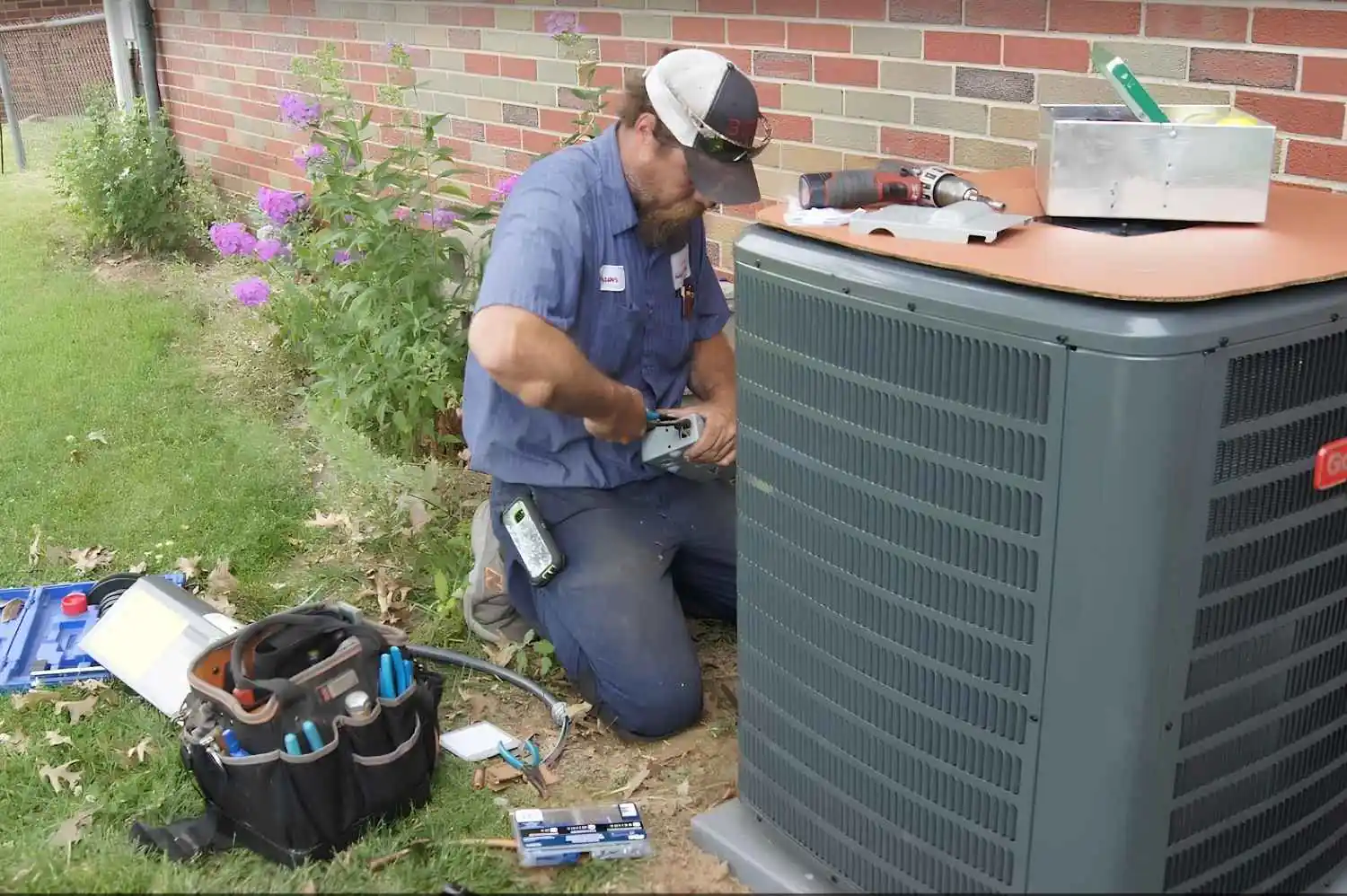
A weaker blower motor, declining capacity, poor burner performance, or a unit that no longer matches the home’s needs can all cause comfort problems. This happens often after home changes. Maybe windows were replaced, an addition was built, the basement was finished, or the family is using rooms differently than they did years ago. The original furnace may now be underpowered, oversized, or simply too worn out to manage the load effectively.
That is where a thoughtful Heating Installation plan matters. The goal is not just to swap one box for another. It is to match the equipment to the actual home, its insulation, duct design, and heating demand.
Strange noises should not be ignored
Every furnace makes some noise. You will hear the thermostat click, the burners ignite, the blower ramp up, and metal ducts expand and contract. That is normal. What is not normal is a furnace that suddenly starts making loud, sharp, or repetitive sounds.
A banging noise can mean delayed ignition. A squeal may point to a failing blower motor or belt in older setups. Rattling can mean loose panels or internal components. Rumbling after the burners shut off can indicate combustion issues. None of these sounds should be dismissed, especially if they are new.
I once looked at a furnace that had been “making a weird boom” for months. The homeowner had just gotten used to it. The issue turned out to be delayed ignition from dirty burners and related wear. It was repairable in that case, but it easily could have become a more serious safety concern if left alone.
Noise by itself does not automatically mean you need furnace replacement, but noise combined with age and performance issues often tips the scale.
Short cycling is hard on the system and hard on your wallet
Short cycling means the furnace turns on and off more often than it should. It may run for just a few minutes, shut off, and then restart again before the house is comfortably warm. That constant stopping and starting puts wear on components and wastes energy.
There are several possible causes. A dirty filter can restrict airflow. A faulty thermostat can send bad signals. Limit switches can trip if the furnace overheats. An oversized furnace can also short cycle because it heats the space too quickly without running long enough to distribute warmth properly.
If the short cycling is tied to a fixable issue, great. But in older units, especially ones with a history of maintenance problems or poor sizing, short cycling can be one more sign that Heating Installation the system is nearing the end.
This is also why the quality of Furnace Services matters. You want someone who will diagnose the cause, not just replace a part and leave. A furnace that short cycles because of sizing or airflow issues may need a bigger conversation than a quick service call can provide.
Yellow flames, soot, or air quality concerns are red flags
This is one area where I do not suggest waiting and seeing.
A healthy gas furnace should usually burn with a steady blue flame. If you notice yellow flames, visible soot, unusual combustion smells, or symptoms like more dust and irritation when the heat runs, have the system checked right away. Poor combustion can signal serious issues, from burner contamination to venting problems to heat exchanger trouble.
A cracked heat exchanger is one of the clearest reasons to consider furnace replacement. Depending on the furnace and the extent of the problem, replacement may be the only sensible option. Heat exchangers are expensive components, and on older units, replacing one often does not make financial sense even if it is technically possible.
Carbon monoxide is part of this conversation too. You cannot see it, and you usually cannot smell it. If you do not already have working carbon monoxide detectors in the home, install them. That is not optional. It is basic safety.
If a technician identifies a combustion or heat exchanger issue, listen carefully. Ask questions. Get clarity. But do not minimize it because the furnace “still seems to be working.”
Watch for these signs together, not one by one
A single symptom can be misleading. Several symptoms at once tell a clearer story.
- The furnace is 15 years old or more.
- Repairs are becoming more frequent or more expensive.
- Heating bills are rising without another clear cause.
- Some rooms stay cold or the house never feels quite comfortable.
- The system is making new noises, short cycling, or showing combustion concerns.
One of these might lead to a repair. Three or four of them usually point toward replacement.
That is the difference between theory and real houses. Homeowners rarely call because of just one clean, textbook symptom. Usually it is a stack of frustrations that slowly adds up until the question becomes unavoidable.
When repair still makes sense
It is easy to swing too far the other way and assume every problem calls for a new furnace. That is not true either.
If the unit is fairly new, the repair is modest, the heat exchanger is sound, and the furnace has otherwise been reliable, repairing it can be the smart move. A 7-year-old furnace with a bad igniter is not a replacement candidate. A 9-year-old furnace with a control board issue might still have plenty of life left, especially if it was installed well and maintained regularly.
I have also seen cases where the furnace itself was fine but the real issue was airflow. A clogged filter, blocked return, dirty evaporator coil, or disconnected duct section can make a decent furnace look worse than it is. That is why proper diagnosis matters so much.
A trustworthy contractor should be able to explain not just what failed, but what shape the rest of the system is in. If the recommendation is replacement, they should be able to tell you why in plain language.
The hidden cost of waiting too long
People often delay furnace replacement for understandable reasons. It is expensive. It is not a fun purchase. Nobody brags about buying a new furnace the way they might talk about a kitchen remodel or new floors.
But waiting too long has costs too.
The first cost is emergency timing. When a furnace dies in the middle of winter, you are making a rushed decision under pressure. You may have fewer scheduling options, less time to compare estimates, and a greater chance of paying for temporary fixes or emergency service.
The second cost is cumulative repair spending. A few hundred dollars here, a few hundred there, then a major part fails. Suddenly you have spent enough to make you wish you had replaced it earlier.
The third cost is comfort. A tired furnace can make winter in your own house feel annoying. You notice drafts more. You keep adjusting the thermostat. Certain rooms become no-go zones. It wears on you.
The fourth cost is efficiency. Old systems often burn more fuel to produce less comfort. That lost efficiency is not always dramatic in one month, but over several seasons it adds up.
What a modern replacement can actually improve
A lot of homeowners think furnace replacement only solves the problem of “the old one stopped working.” In practice, a good replacement can improve several things at once.
- More consistent temperatures throughout the house
- Lower operating costs, especially if the old unit was inefficient
- Quieter operation
- Better airflow and comfort when the system is properly sized
- Fewer repair surprises over the next several years
That last point matters more than people expect. New equipment is not just about efficiency ratings on paper. It is about peace of mind during the coldest week of the year.
If you are replacing a furnace, it is also worth asking whether other parts of the system need attention. Sometimes Furnace Installation goes hand in hand with thermostat upgrades, venting updates, filter cabinet improvements, or duct modifications. In some homes, broader Heating Installation work is the difference between a basic replacement and a system that actually performs the way it should.
A quick word about sizing, because bigger is not better
One of the most common mistakes in furnace replacement is assuming a bigger unit will solve comfort problems. It often does the opposite.
An oversized furnace can heat the house too fast, then shut off before air circulates properly. That can lead to short cycling, temperature swings, excess wear, and weaker dehumidification when paired with cooling equipment. An undersized furnace will struggle on the coldest days and may run nonstop.
The right size depends on the home, not just the square footage. Window quality, insulation levels, air leakage, ceiling height, duct design, and climate all matter. That is why any company offering Furnace Services or Heating Services should evaluate the house carefully instead of just matching the old unit by nameplate size.
I have seen homes where the old furnace was oversized from day one, and the owners spent years thinking that uneven heat was normal. Once the system was replaced with properly sized equipment and some duct adjustments, the comfort difference was immediate.
How to decide without second-guessing yourself
If you are on the fence, ask the contractor to walk you through the decision as if it were their own house. Not in a salesy way, in a practical way. What failed? What condition is the heat exchanger in? How much life would they realistically expect from the unit? What repairs might be coming next? How does the current efficiency compare with a replacement? Would they repair it if it belonged to them?
You do not need a dramatic failure to justify furnace replacement. Sometimes the smartest move is replacing a furnace before it turns into a cold-weather emergency. That is especially true if the system is older, unreliable, expensive to run, or showing safety-related warning signs.
At the same time, you do not need to replace a decent furnace just because it had one bad day. Good judgment beats blanket rules every time.
If your furnace is aging and you are starting to notice a mix of high bills, uneven heat, frequent repairs, odd noises, or short cycling, pay attention now. Those are usually not random issues. They are the system’s way of telling you it is getting tired.
And if you do end up moving forward with Furnace Replacement, do it on your terms, not during a midnight breakdown in January. That alone can make the whole process cheaper, calmer, and a lot easier to live with.